
Overview
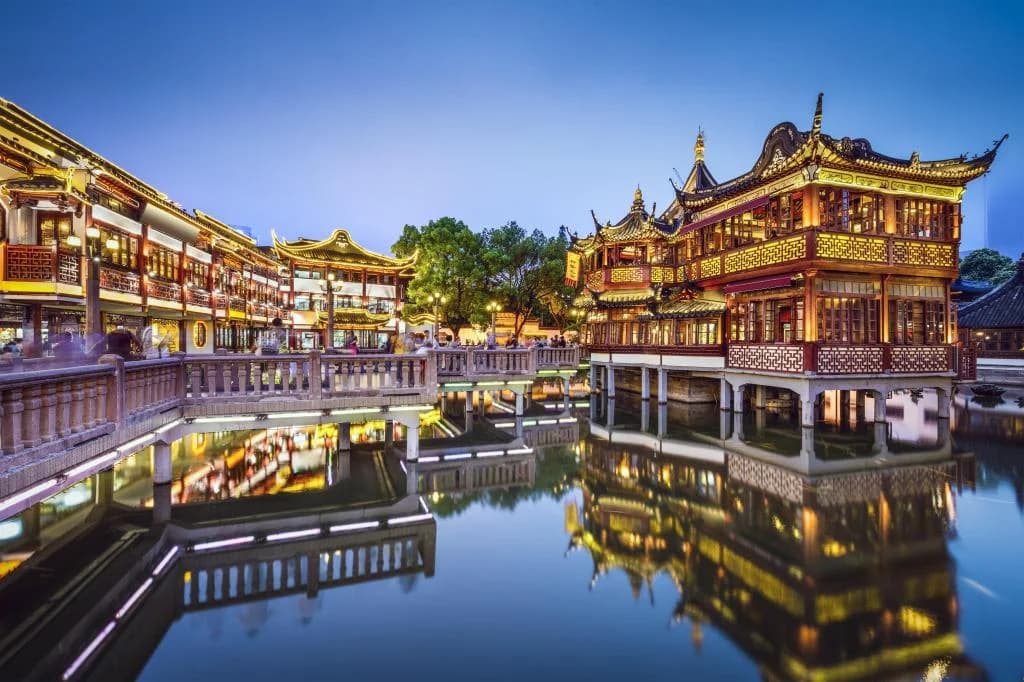
Step through the moon gate of Yu Garden and suddenly Shanghai's neon-lit skyscrapers vanish. You're standing in a 400-year-old Ming Dynasty garden where scholars once composed poetry beside rockeries and koi ponds. This pocket of classical China sits right in the heart of Shanghai's busiest tourist district—and that contrast is exactly what makes it fascinating.
But here's what confuses most visitors: "Yu Garden" actually refers to three very different experiences. There's the actual classical garden (paid admission), the bustling Yu Garden Bazaar (free), and the historic City God Temple (free). Understanding this distinction will save you both money and disappointment.
This guide breaks down exactly what's worth your time and money, how to navigate the crowds, and how to combine all three areas into one memorable Shanghai experience.
Quick Facts at a Glance
| Item | Details |
|---|---|
| Opening Hours | Tue-Sun 9:00 AM - 4:30 PM (last entry 4:00 PM); Closed Mondays (except holidays) |
| Ticket Prices | Peak (Apr-Jun, Sep-Nov): ¥40; Off-peak: ¥30; Students/Seniors: ¥20/15 |
| Getting There | Metro Line 10 or 14 to Yuyuan Station, 5-6 min walk |
| Best Time to Visit | Weekday mornings 9:00-10:00 AM before tour groups arrive |
| Closed Days | Mondays (except national holidays) |
| ID & Booking | Book via "上海豫园" WeChat mini-program; bring ID |
| Bags & Security | No pets, no smoking; small bags OK |
| Expected Walking | 1-2 hours garden only; 3-4 hours with bazaar and temple |
What to See and Do at Yu Garden: Classical Garden & Bustling Bazaar
Yu Garden packs three distinct experiences into one compact area: a refined Ming Dynasty garden, a lively traditional bazaar, and an active Taoist temple. Here's what each offers and how to decide where to spend your time.
Inside the Garden (Paid Admission)
The classical garden covers just 2 hectares but contains over 40 scenic spots designed to create an illusion of infinite space. Every corner reveals a new composition—a principle called "one step, one scene" (移步换景).
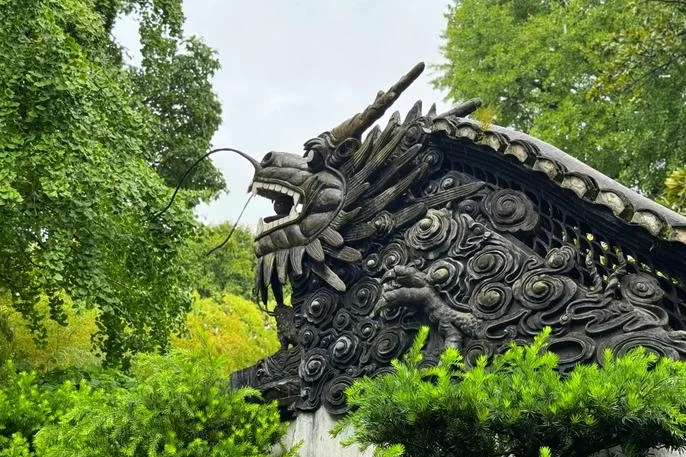
The Grand Rockery (大假山)
| Location | Just inside the main entrance, Sansui Hall |
| Height | 14 meters - the oldest and largest yellow stone rockery in Jiangnan |
| Best for | Photography, understanding Ming garden design |
Built by the famous Ming artisan Zhang Nanyang, this artificial mountain took decades to construct. Climb the winding path to the top for views across the entire garden. The rocks were hand-selected from the Huangpu River and arranged to resemble natural cliffs.
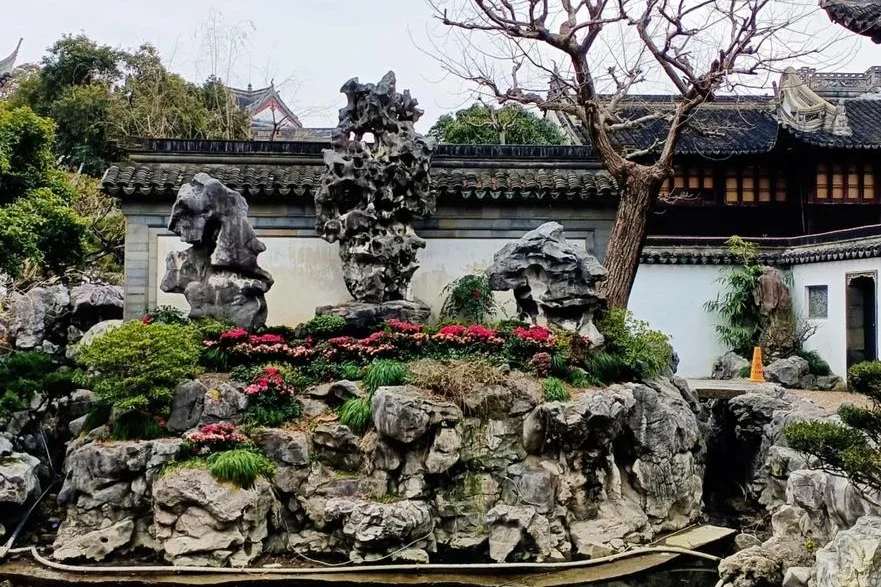
Jade Rock (玉玲珑)
This 3.3-meter porous limestone is the garden's most treasured artifact—one of the "Three Famous Rocks of Jiangnan." According to legend, it was originally destined for the Song Emperor's imperial garden but shipwrecked near Shanghai. Pour water on top and it trickles through 72 holes; light incense below and smoke rises from every opening.
Exquisite Jade Hall (玉华堂)
Pan Yunduan's original study, where the Ming official composed poetry and displayed his art collection. The interior decoration represents peak Ming Dynasty scholarly taste.
Inner Garden (内园)
| Highlights | Double-story opera stage, quiet courtyards |
| Best for | Escaping crowds, traditional performance photos |
| Crowd level | Low - most tourists miss this section |
The most tranquil section of Yu Garden, featuring an intimate courtyard and the only surviving two-story Qing Dynasty opera stage in Shanghai. Performances still occasionally take place here.
Yu Garden Bazaar (Free Admission)
| Hours | 10:00 AM - 10:00 PM daily |
| Atmosphere | Red lanterns, traditional architecture, hundreds of shops |
| Best time | After 6:00 PM when lights illuminate the area |
The bazaar surrounding Yu Garden transforms into a maze of traditional shopfronts selling everything from silk fans to jade jewelry. While undeniably touristy, the architecture itself is worth seeing—especially at night when thousands of red lanterns create a magical atmosphere.
What to expect:
- Traditional snack vendors (see Food section below)
- Souvenir shops (prices are negotiable)
- Street performers and artisans
- Crowds—especially on weekends and holidays
Pro tip: The bazaar is free to wander anytime. If you only want to see the classical garden, enter through the north gate directly into the paid area, bypassing the bazaar crowds.
City God Temple (Free Admission)
| Location | 3-minute walk from Yu Garden |
| Hours | 8:30 AM - 4:30 PM |
| What it is | Active Taoist temple, 600+ years old |
Often confused with Yu Garden itself, the City God Temple (城隍庙) is a separate historic Taoist site dedicated to Shanghai's guardian deity. Incense smoke fills the air as locals pray for good fortune. The temple offers a more authentic spiritual experience compared to the commercial bazaar.
Night Views & Lantern Festival
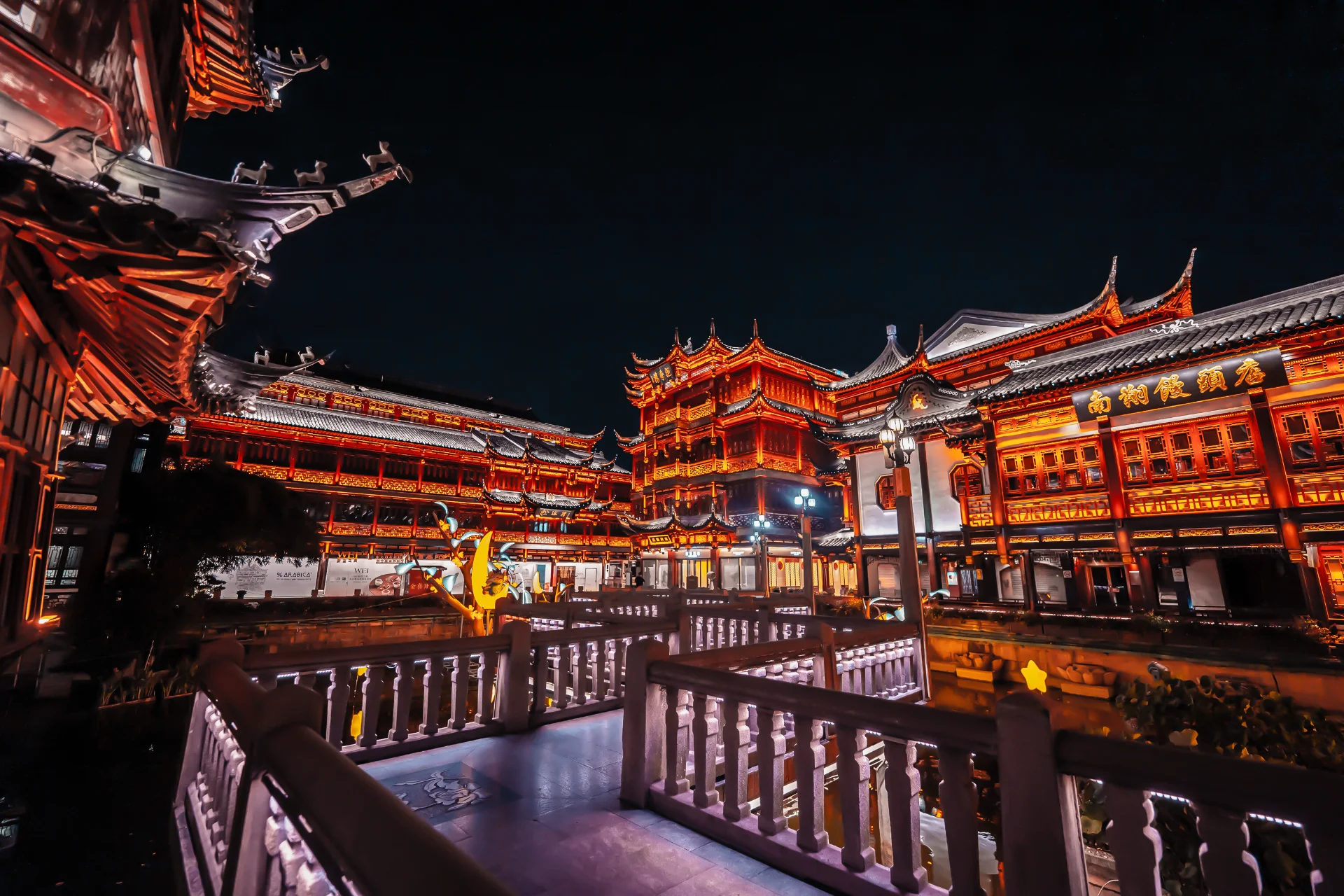
Evening illumination:
- Bazaar lights up at 6:00 PM
- Light shows every 30 minutes from 6:30 PM (3 minutes each)
- Best viewing: Nine-Bend Bridge area
2026 Lantern Festival (January 26 - March 3):
- Theme: "以梦为马,旷野生花" (Year of the Horse)
- Tickets: Early bird ¥50, Regular ¥80
- First time extending beyond Yu Garden to BFC Bund area
- Must-see installations: "Tree of Life," "Zhuangzi's Butterfly Dream"
Best Photo Spots
| Location | Best for | Best time |
|---|---|---|
| Nine-Bend Bridge | Classic Yu Garden shot with Huxinting Teahouse | Early morning or night |
| Wanhua Tower | Ancient ginkgo tree + traditional window frames | Autumn for golden leaves |
| Jade Rock Pavilion | The famous 玉玲珑 stone | Any time, morning light best |
| Jiyu Water Corridor | Longest covered walkway in Yu Garden | Afternoon shadows |
Photo tips:
- Arrive at 9:00 AM opening for crowd-free shots
- The classic Huxinting Teahouse view is from outside the paid garden
- Night photography from Nine-Bend Bridge captures both old and new Shanghai
Our Recommended Routes: Smart Itineraries for Every Schedule
Yu Garden is compact but surrounded by distractions. These routes keep you on track whether you have 2 hours or half a day.
Route 1 — The 2-Hour Garden Focus
| For | Garden enthusiasts who want to skip the tourist bazaar |
| Distance | ~1 km within garden walls |
| Cost | ¥40 peak / ¥30 off-peak |
The route: North Gate entrance → Sansui Hall → Grand Rockery (climb to top) → Wanhua Tower → Dianchun Hall → Jade Rock → Inner Garden → Exit via north
What you'll see:
- All major garden highlights
- The famous Jade Rock
- Quieter Inner Garden section
What you'll skip:
- Bazaar shopping and snacks
- City God Temple
- Nine-Bend Bridge (it's outside the paid area)
Route 2 — The 3-Hour Complete Experience
| For | First-time visitors wanting the full Yu Garden experience |
| Distance | ~2 km including bazaar |
| Cost | ¥40 peak / ¥30 off-peak + food budget |
The route:
- 9:00 AM - Enter Yu Garden (paid section) via north gate
- 9:00-10:30 AM - Explore garden highlights
- 10:30-11:30 AM - City God Temple (free)
- 11:30 AM-12:30 PM - Lunch at Nanxiang (arrive before noon rush)
- 12:30-1:00 PM - Browse bazaar, exit
Why this order works:
- Garden is least crowded first thing in morning
- Temple visit provides cultural depth
- Lunch at Nanxiang before the massive queues form
Route 3 — The Half-Day Deep Dive
| For | Photographers, culture lovers, those combining with The Bund |
| Duration | 5-6 hours (afternoon into evening) |
| Best for | Capturing both day and night atmospheres |
The route:
- 2:00 PM - Yu Garden (paid section)
- 4:00 PM - Tea at Huxinting Teahouse (Nine-Bend Bridge)
- 5:00 PM - City God Temple
- 6:00 PM - Dinner in bazaar area
- 7:00 PM - Night photography as lanterns light up
- 8:00 PM - Walk to The Bund (20 minutes) for skyline views
Pro tip: If you enter the garden before 4:00 PM, you can stay until the lights come on without buying a separate night ticket.
How to Choose Your Route
| If you... | Pick this route |
|---|---|
| Only care about classical gardens | Route 1 |
| Want the complete Yu Garden experience | Route 2 |
| Are a photographer or combining with Bund | Route 3 |
| Hate crowds | Route 1 (weekday, 9 AM) |
| Want night views | Route 3 |
| Have kids who'll get bored in gardens | Skip paid garden, do bazaar + snacks only |
Planning a trip to China?
Our travel experts can help you create a personalized itinerary based on your interests and budget.
History & Cultural Background
Yu Garden's 400-year story involves Ming Dynasty officials, British invaders, and Communist restoration efforts. Understanding this history transforms the garden from pretty scenery into living heritage.
Ming Dynasty Origins (1559)
Yu Garden was built by Pan Yunduan, a Ming Dynasty official who served as Governor of Sichuan Province. After retiring, he spent 18 years and his entire fortune creating this garden for his aging father. The name "Yu" (豫) means "peace and comfort"—Pan hoped the garden would provide his father a peaceful place to spend his final years.
At its peak, the garden covered over 5 hectares (70 mu) and was celebrated as "the finest garden southeast of the Yangtze." Famous literati gathered here to compose poetry, paint, and discuss philosophy.
Centuries of Turbulence
The Pan family's fortune eventually declined, and the garden passed through multiple owners. During the Opium Wars, British troops occupied the garden and caused significant damage. The Small Swords Society, an anti-Qing rebellion group, used the garden as their headquarters in 1853.
By the time of liberation in 1949, Yu Garden had fallen into severe disrepair. The Communist government invested heavily in restoration, reopening the garden to the public in 1961. Today's 2-hectare garden represents about 40% of the original Ming Dynasty layout.
Getting There & Practical Info
Yu Garden sits in Shanghai's most congested tourist zone. Smart transportation choices make the difference between a smooth visit and a frustrating one.
How to Get There
Metro (Recommended):
- Line 10 or Line 14 to Yuyuan Station (豫园站)
- Exit 1, walk 5-6 minutes following signs
- Most convenient and avoids traffic
Bus:
- Routes 11, 26, 64, 920, 926 stop nearby
- Less convenient due to Old City traffic
Taxi/DiDi:
- Drop-off at Fuyou Road entrance
- Expect traffic delays, especially weekends
- No dedicated parking—public transport recommended
From The Bund:
- 20-minute walk south along the waterfront
- Or Metro Line 10: Nanjing East Road → Yuyuan (2 stops)
What's Free and What Costs Money
| Area | Cost | Worth It? |
|---|---|---|
| Yu Garden (classical garden) | ¥30-40 | Yes, if you appreciate garden design |
| Yu Garden Bazaar | Free | Yes, especially at night |
| City God Temple | Free | Yes, for cultural authenticity |
| Nine-Bend Bridge & Huxinting | Free | Yes, iconic photo spot |
| 2026 Lantern Festival | ¥50-80 | Yes, if visiting Jan-Mar |
Should you pay for the garden?
- Yes if: You appreciate classical gardens, want to escape crowds, interested in Ming Dynasty culture
- Skip if: You've seen Suzhou gardens, traveling with restless kids, only interested in shopping/food
Local Expert Tips Before You Go
- Book tickets in advance via the "上海豫园" WeChat mini-program to avoid queues
- Arrive at 9:00 AM when gates open—by 10:30 AM tour groups flood in
- Wear comfortable flat shoes—the garden has uneven stone paths
- Bring cash for bazaar vendors (many small shops don't take cards)
- Enter before 4:00 PM to stay through to night illumination
- Avoid weekends and holidays when crowds can be overwhelming
Where to Eat & Drink Near Yu Garden
The Yu Garden area is famous for Shanghai's most iconic snack: xiaolongbao. But knowing where to find quality food among the tourist traps takes local knowledge.
Must-Try: Nanxiang Steamed Buns (南翔小笼包)
| Address | 85 Yuyuan Road (豫园路85号) |
| Hours | 7:30 AM - 8:30 PM |
| Price | ¥25-40 per basket (6 pieces) |
| Wait time | 30-60 minutes on weekends |
The original Nanxiang Xiaolongbao has been serving Shanghai's signature soup dumplings since 1900. Three floors offer different experiences:
- Ground floor (takeaway): Cheapest, longest queues, basic fillings
- Second floor: Sit-down, moderate prices, traditional varieties
- Third floor: Premium experience, crab roe xiaolongbao, shortest wait
How to eat xiaolongbao properly:
- Lift gently with chopsticks (don't puncture the skin)
- Place on spoon, nibble a small hole
- Sip the soup first (careful—it's hot!)
- Dip in black vinegar with ginger, eat in one bite
Best time to visit: Before 11:00 AM or after 2:00 PM to avoid peak queues.
Traditional Snacks & Street Food
| Snack | Where | Price |
|---|---|---|
| Shengjian (pan-fried buns) | Dahuchun (大壶春) | ¥30/6 pieces |
| Crab shell pastry | Street vendors | ¥8-10 each |
| Pear syrup candy | Traditional shops | ¥15-25/bag |
| Five-spice beans | Bazaar stalls | ¥10-15/bag |
Sit-Down Restaurants
Fule Bistro (福楽Bistro)
- Rooftop dining with views of Yu Garden and Lujiazui skyline
- Fusion menu: crab linguine, wagyu tomahawk
- Best for: Romantic dinner, special occasions
Lvbolang (绿波廊)
- Historic restaurant, former state banquet venue
- Shanghai classics: crab meat xiaolongbao, braised pork
- Best for: Traditional Shanghai cuisine
Huxinting Teahouse (湖心亭)
- Shanghai's oldest teahouse, sitting on Nine-Bend Bridge
- Tea sets from ¥60-150
- Best for: Afternoon tea break, classic photos
Nearby Attractions & Day Trips
Yu Garden sits at the heart of old Shanghai, within easy reach of the city's most famous landmarks. Here's how to combine multiple attractions into one efficient day.
Walking Distance
The Bund (外滩) — 20 minutes walk / 1.5 km
- Best combo: Yu Garden morning → Bund sunset/evening
- Walk via Fangbang Middle Road for local atmosphere
Nanjing Road (南京路) — 25 minutes walk / 2 km
- China's most famous shopping street
- Connects Yu Garden area to The Bund
- Best for: Shopping, street food, people watching
Old City God Temple Area
- French Concession–style lanes south of Yu Garden
- Less touristy, more authentic old Shanghai feel
Suggested Day Itinerary
Shanghai Classic Day (Yu Garden + Bund + Nanjing Road):
| Time | Activity |
|---|---|
| 9:00 AM | Yu Garden (paid section) |
| 11:00 AM | Nanxiang Xiaolongbao lunch |
| 12:30 PM | City God Temple |
| 2:00 PM | Walk to Nanjing Road, shopping |
| 5:00 PM | The Bund for sunset |
| 7:00 PM | Bund night views, dinner in Pudong |
How Yu Garden Compares to Similar Attractions
Is Yu Garden worth it if you're also visiting Suzhou? How does it compare to just walking The Bund? Here's an honest comparison.
Yu Garden vs Suzhou Gardens
| Aspect | Yu Garden | Suzhou Gardens (e.g., Humble Administrator's) |
|---|---|---|
| Size | 2 hectares | 5+ hectares |
| Crowds | Very crowded | Crowded but more spread out |
| Authenticity | Heavily restored | Better preserved original features |
| Surroundings | Urban Shanghai, shopping | Garden-focused, canal town |
| Travel time | City center | 30-min bullet train from Shanghai |
| Best for | Combining with Shanghai sights | Dedicated garden appreciation |
Verdict: If you only have time for one, Suzhou's gardens are more impressive as pure garden experiences. But Yu Garden offers the unique combination of classical garden + Shanghai urban culture + night market atmosphere—all walkable to The Bund.
Yu Garden vs The Bund
| Aspect | Yu Garden | The Bund |
|---|---|---|
| Vibe | Traditional China | Colonial/modern fusion |
| Best time | Morning | Sunset/evening |
| Cost | ¥30-40 (garden) | Free |
| Crowds | Concentrated in small area | Spread along 1.5km promenade |
| Food | Traditional snacks | Upscale restaurants |
Verdict: Do both—they're complementary experiences just 20 minutes apart. Yu Garden in the morning, Bund at sunset.
Shopping & Souvenirs
Yu Garden Bazaar is Shanghai's most famous souvenir market—which means both great finds and tourist traps. Here's how to shop smart.
What to Buy
Worth buying:
- Silk fans & scarves — Wide selection, reasonable quality
- Tea — Longjing, Pu'er; ask for samples before buying
- Traditional snacks — Pear syrup candy, five-spice beans (for gifts)
- Chopsticks sets — Beautiful lacquered designs
Skip these:
- "Antique" jade and porcelain (mostly fake)
- Name-brand knockoffs
- Anything a vendor aggressively pushes on you
Bargaining Tips
Bargaining is expected in the bazaar—but know the rules:
- Start at 50% of asking price and work up
- Walk away if the price doesn't drop—they'll often call you back
- Compare prices at multiple stalls before buying
- Cash gets better prices than card payments
- Be friendly — aggressive bargaining backfires
Red flags:
- Vendors who follow you or grab your arm
- "Free gift" offers (often lead to pressure sales)
- Prices that seem too good to be true (counterfeit goods)
Planning Your China Trip
- How much does it cost? — Complete breakdown of daily budgets, attraction fees, and transport costs across China
- Best time to visit — Month-by-month guide to weather, crowds, and holiday periods
- Essential tips for first-timers — Apps to download, payment setup, cultural etiquette, and common mistakes
About the Author
Li Wei (李伟) is a Shanghai-born travel writer and licensed local guide with over 8 years of experience showing visitors the real Shanghai. A graduate of Fudan University with a degree in Chinese History, Li Wei specializes in Shanghai's traditional neighborhoods and classical gardens.
Having grown up in the Old City near Yu Garden, Li Wei brings genuine local perspective to this guide—including which xiaolongbao shops the locals actually eat at.
Editorial Standards
This guide is based on first-hand visits, official source verification, and local expertise. All information has been fact-checked against:
- Yu Garden Official Website (www.yugarden.com.cn)
- Shanghai Municipal Tourism Administration
- On-site verification (January 2026)
Last Review: January 2026 | Next Scheduled Update: April 2026