
Overview
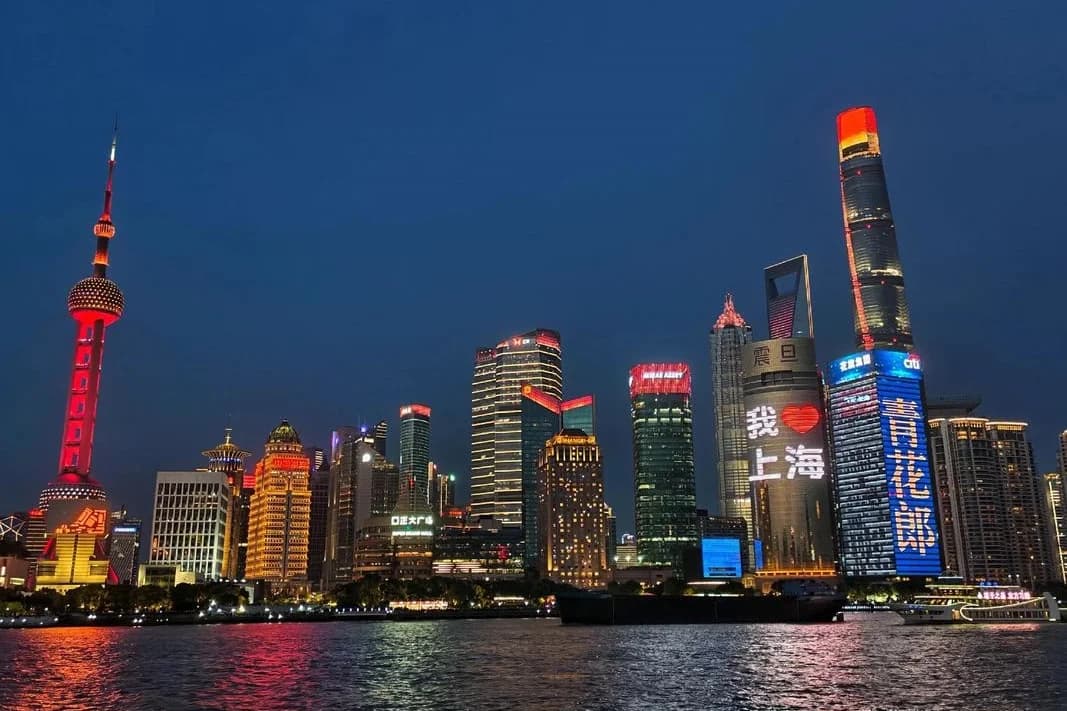
Standing on the Bund at sunset, watching the sky turn gold behind Pudong's futuristic towers while a century-old clock tower chimes behind you—this is Shanghai's defining moment. The Bund (外滩 Wàitān) isn't just a waterfront; it's where China's past and future collide in spectacular fashion.
This 1.5-kilometer promenade along the Huangpu River showcases 52 colonial-era buildings from the 1920s-40s, each telling stories of Shanghai's wild days as the "Paris of the East." Across the water, the space-age silhouettes of Oriental Pearl Tower and Shanghai Tower remind you this is still very much a city racing toward tomorrow.
The best part? It's completely free and open 24/7. Whether you're an architecture buff, a photography enthusiast, or just looking for that iconic Shanghai moment, this guide covers everything: when the light show happens, which buildings are worth entering, where to get the perfect shot, and how to avoid the crowds.
Quick Facts at a Glance
| Item | Details |
|---|---|
| Opening Hours | 24 hours, every day (promenade is always open) |
| Ticket Prices | Free! The waterfront is completely free to visit |
| Getting There | Metro Line 2/10, Nanjing East Road Station, Exit 3 → 10 min walk |
| Best Time to Visit | Sunset (17:30-19:30) for day-to-night transition |
| Closed Days | Never closed, but some buildings close on Mondays |
| ID & Booking | No ID or booking required for promenade |
| Bags & Security | No restrictions on promenade; some buildings have bag checks |
| Expected Walking | 1.5 km flat promenade, about 30-45 minutes end to end |
What to See and Do at The Bund: Where History Meets Tomorrow
The Bund isn't about checking off attractions—it's about absorbing a century of history while gazing at the future. Here's how to experience both sides of this extraordinary waterfront.
Architecture Highlights: The "Museum of World Architecture"
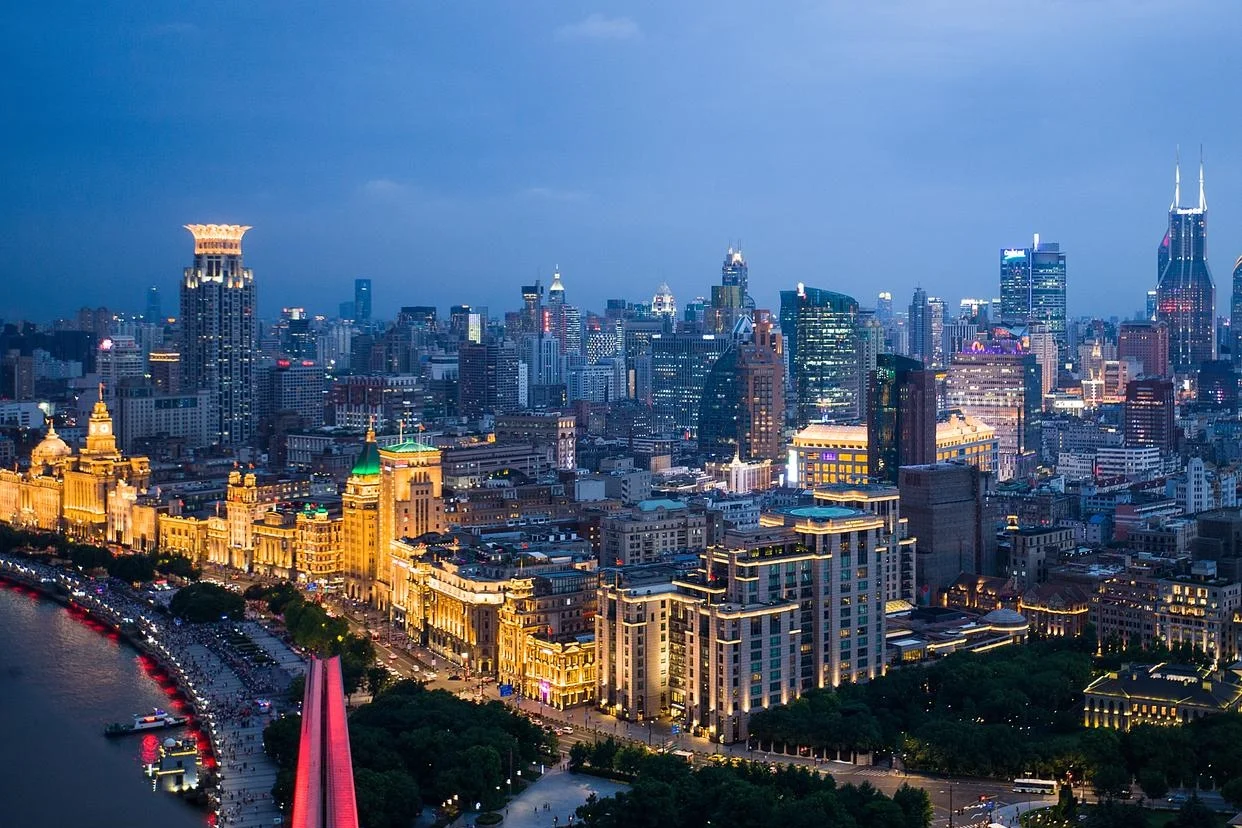
The 52 historic buildings along the Bund form what locals call the "万国建筑博览群" (Museum of World Architecture). You don't need to be an architecture expert to appreciate them—just look for these standouts:
HSBC Building (No. 12) — The Crown Jewel
Now home to Pudong Development Bank, this 1923 neoclassical masterpiece hides Shanghai's most stunning interior: a Byzantine-style mosaic dome that took Italian craftsmen years to complete. The zodiac signs in the ceiling represent Shanghai's position as a global crossroads.
Can you go inside? Yes! Free guided tours run weekdays at 11:30 and 12:00 via WeChat (search "浦发银行" → 服务 → 外滩总部参观). Book ahead—only 30 spots per session.
Customs House (No. 13) — The Iconic Clock Tower
That clock tower you've seen in every Shanghai photo? This is it. Built in 1927, the 43-meter tower was modeled after London's Big Ben. Listen for the Westminster chimes every quarter hour—they've been marking Shanghai time for nearly a century (with a brief interruption during the Cultural Revolution when "The East is Red" played instead).
Can you go inside? No, it's still an active customs building, but the exterior is the star anyway.
Peace Hotel (No. 19-20) — Art Deco Glamour
The green pyramid roof that defines the Bund skyline belongs to this 1929 Art Deco masterpiece. Originally Sassoon House, it hosted Charlie Chaplin, Noel Coward, and Shanghai's elite. Today, the Old Jazz Bar features nightly performances (18:30-22:30) by musicians whose average age is 75+—the last living link to 1930s Shanghai.
Can you go inside? The lobby is open to visitors. Jazz Bar entrance is ¥300-350/person.
More Worth Noticing:
- No. 1 (Asia Building): Baroque style, 1916, now Pacific Insurance HQ
- No. 3 (Shanghai Club): Once the most exclusive club in Asia, now Waldorf Astoria
- No. 27 (Former British Consulate): Hidden in a garden, Shanghai's oldest surviving building (1873)
Night Views & Light Show
The Bund's night transformation is legendary. Here's exactly what happens and when:
Light Schedule:
- Lights on: 18:30 daily (may extend to 19:00 in peak summer)
- Lights off: 22:30 weekdays, 23:00 weekends/holidays
- Cycle: Every 30 minutes, subtle color shifts on Pudong towers
What lights up:
- All 52 Bund historic buildings (golden/warm tones highlighting architectural details)
- Pudong's "Big Four": Oriental Pearl (color-changing spheres), Shanghai Tower (spiraling LED patterns), Jin Mao (golden Art Deco glow), World Financial Center (cool white)
- Huangpu River cruise boats (moving light shows)
Pro tips for night viewing:
- The crowds peak at 19:30-20:30. Come at 21:00+ for easier movement and photos
- The middle section (near Customs House) gets most crowded—try the northern end near Waibaidu Bridge
- Summer weekends can hit 40,000+ visitors at peak hours. Weekday evenings are significantly calmer
Best Photo Spots
Every photographer wants that perfect Bund shot. Here's where to get it:
1. Central Promenade (near Chen Yi Square)
This is the classic shot: Pudong's "Big Four" towers perfectly aligned across the river. Position yourself near the Chen Yi statue (陈毅广场) for the most balanced composition.
| Best for | The iconic postcard shot |
|---|---|
| Best time | Blue hour (30-40 min after sunset) |
| Crowds | High—arrive early to claim a spot |
2. Waibaidu Bridge (外白渡桥)
The historic iron bridge at the Bund's northern end. Frame the colonial buildings with Pudong behind for a shot that shows old and new Shanghai in one frame.
| Best for | Layered composition, wedding photos |
|---|---|
| Best time | Sunset to early evening |
| Crowds | Moderate |
3. "Lover's Wall" (情人墙)
The 1,700-meter riverside walkway has 32 semicircular viewing balconies. Less crowded than the main promenade, with 64 antique-style lamps creating romantic atmosphere.
| Best for | Night portraits, quieter experience |
|---|---|
| Best time | After 21:00 |
| Crowds | Low to moderate |
4. North Bund (北外滩)
The new observation deck at the Sinar Mas Center offers panoramic views of the entire Bund curve plus Pudong. Fewer tourists, better angles.
| Best for | Panoramic shots, avoiding crowds |
|---|---|
| Best time | Any evening |
| Crowds | Low |
5. From Pudong Side (陆家嘴滨江大道)
Flip the perspective: photograph the Bund's colonial buildings from across the river. Take the ¥2 ferry for a scenic crossing.
| Best for | Full Bund panorama, sunrise shots |
|---|---|
| Best time | Morning (6:00-8:00 AM) when light hits the western-facing buildings |
| Crowds | Very low |
Camera Settings for Night Shots:
- Tripod essential (2-10 second exposures)
- ISO 100-400, f/8-f/11, 2-10 seconds
- Blue hour timing: 30-40 minutes after sunset
- Wide-angle (16-35mm) for full skyline; 50-85mm for architectural details
Our Recommended Routes: Smart Itineraries for Every Schedule
Not sure where to start? These three routes are designed for different schedules and interests—from a quick highlights tour to a deep-dive half-day exploration.
Route 1 — The 1-Hour Express
| For | Time-limited visitors, cruise ship passengers |
| Best time | 18:30-19:30 (lights coming on) |
| Distance | 800 meters |
Start at Nanjing East Road Station (Exit 3) and walk east to the waterfront. Turn right (south) along the promenade:
- Chen Yi Square (5 min) — Classic photo spot, Pudong panorama
- Customs House (5 min) — Listen for the clock chimes
- HSBC Building (exterior only) — Marvel at the neoclassical facade
- Peace Hotel (5 min) — Art Deco icon, green pyramid roof
End at Peace Hotel. Total walking time: 20-30 minutes, plus photos.
This route gives you: The iconic Bund experience and main architectural highlights
Route 2 — The 2-Hour Classic
| For | First-time visitors wanting a complete experience |
| Best time | 17:00-19:00 (sunset transition) |
| Distance | 1.5 km (full promenade) |
Start at the northern end (Waibaidu Bridge):
- Waibaidu Bridge (10 min) — Historic 1907 iron bridge, great photo spot
- Broadway Mansions — Art Deco tower, formerly Shanghai's tallest
- Walk south along the promenade, passing all major buildings
- HSBC Building (15 min) — If weekday before 17:00, pop inside for the dome
- Customs House — Stop for the quarter-hour chimes
- Peace Hotel — Admire the lobby if open
- Meteorological Signal Tower — Good central viewing point
- Continue to southern end near Yan'an Road
This route gives you: The complete Bund walk with all major buildings, day-to-night transition
Route 3 — The Half-Day Explorer
| For | Architecture enthusiasts, photographers, thorough explorers |
| Best time | 15:00-20:00 (afternoon + evening) |
| Includes | Building interiors, ferry crossing, Pudong views |
- HSBC Building interior (30 min) — Book the 11:30 or 12:00 tour, or visit banking hall
- Walk the full promenade north to south (45 min)
- Bund History Museum (30 min) — Free, at southern end
- Late afternoon: Take the ¥2 ferry from Jinling Road to Pudong (15 min)
- Lujiazui Riverside Promenade — Photograph Bund from across the river
- Ferry back or metro return
- Evening: Walk the promenade again under lights
- Optional: Peace Hotel Jazz Bar or rooftop drinks
This route gives you: Deep appreciation of architecture, history, and both perspectives
How to Choose Your Route
| Your Situation | Recommended Route | Why |
|---|---|---|
| Only 1-2 hours in Shanghai | Route 1 | Hits all the highlights efficiently |
| First visit, want the full experience | Route 2 | Complete promenade + day-to-night transition |
| Architecture or photography focused | Route 3 | Interiors, multiple perspectives, best light |
| Traveling with kids | Route 1 or 2 | Keep it moving; kids love the lights |
| Returning visitor | Route 3 or custom | Explore the less-visited northern section |
Planning a trip to China?
Our travel experts can help you create a personalized itinerary based on your interests and budget.
History & Cultural Background
Understanding the Bund's past transforms a pleasant stroll into a journey through modern China's most turbulent century.
From Mudflat to Financial Capital (1843-1930s)
The Bund's story starts with opium. After Britain won the First Opium War in 1842, Shanghai was forced open as a treaty port. The British claimed this muddy riverbank—"bund" comes from an Anglo-Indian word for embankment—and transformed it into Asia's Wall Street.
By the 1920s, the Bund controlled finance, shipping, and trade across the Far East. The HSBC Building was the most expensive structure in Asia. The Peace Hotel ballroom hosted jazz bands and high society. Shanghai earned nicknames like "Paris of the East" and "Pearl of the Orient."
This wasn't just British territory—the Bund saw French banks, German trading houses, American companies, Japanese firms, and Chinese entrepreneurs all competing for space. The architectural diversity you see today reflects this international chaos: Art Deco next to Neoclassical next to Baroque.
War, Revolution, and Revival (1937-Today)
The Japanese invasion (1937) and later Communist victory (1949) ended the Bund's international era. Foreign banks left; buildings became government offices. During the Cultural Revolution, the Customs House clock played "The East is Red" instead of Westminster chimes.
The Bund's revival began in the 1990s with China's economic reforms. A massive 2008-2010 renovation buried vehicle traffic underground, creating today's pedestrian-friendly promenade. Historic buildings were restored and converted to luxury hotels (Waldorf Astoria, Fairmont Peace Hotel, Peninsula) and high-end restaurants.
Today, the Bund is a living heritage site—the HSBC Building still functions as a bank, the Customs House still processes customs. This isn't a museum; it's a working waterfront with a spectacular past.
Getting There & Practical Info
Everything you need to know before you go: transportation options, what's free vs paid, and insider tips from locals.
How to Get There
Metro (Recommended)
- Line 2 or 10: Nanjing East Road Station (南京东路站)
- Exit 3: Walk east toward the river, 10-minute walk
- Cost: ¥3-6 depending on origin
Ferry (Scenic Option)
- Jinling Road Ferry Terminal (金陵东路轮渡站)
- Crosses from Pudong to Bund, ¥2, 5 minutes
- Operating hours: 7:15 AM - 6:30 PM
- Upper deck has the best views—go straight upstairs after boarding
Taxi/Didi
- Tell driver: "外滩" (Wàitān)
- Cost: ¥20-50 from most Shanghai locations
- Warning: Traffic is terrible during evening hours—metro is faster
What's Free and What Costs Money
Completely Free:
- Walking the 1.5 km promenade (24/7)
- Viewing all 52 historic buildings from outside
- HSBC Building banking hall (weekdays 9:00-17:00)
- Bund History Museum (9:00-16:30, closed Mondays)
Paid Options:
| Experience | Cost | Worth It? |
|---|---|---|
| Huangpu River Cruise | ¥120-180 | Nice but not essential—ferry is ¥2 |
| Peace Hotel Jazz Bar | ¥300-350 | Yes, for the 1930s atmosphere |
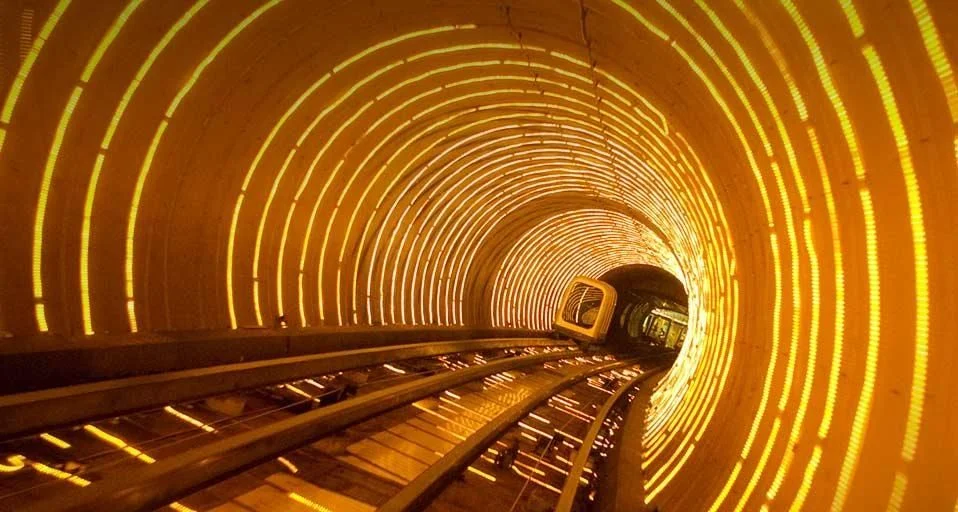
| Bund Sightseeing Tunnel | ¥55 | No—tacky light show, take the ferry instead |
| Rooftop bars | ¥100-300 minimum | Yes, for the views |
 | HSBC guided tour | Free | Yes, book via WeChat |
Local Expert Tips Before You Go
Timing Secrets:
- The "magic hour" is 18:00-18:30 when day transitions to night. Arrive by 17:45 to claim your spot.
- Sunday evenings are actually less crowded than Saturday—families go home early.
- The first and last days of Chinese holidays are worse than middle days.
Crowd Avoidance:
- Northern section (Waibaidu Bridge area) is always less crowded than the central promenade.
- Visit at 6:00-8:00 AM for photography with almost no one around.
- Skip October 1-7 (National Day) entirely if possible—crowds exceed 50,000.
What to Bring:
- Portable phone charger (all those photos drain battery fast)
- Cash or Alipay (some small vendors are cash-only)
- Light jacket for evening river breeze, even in summer
- Tripod if you're serious about night photography
What NOT to Do:
- Don't take the Sightseeing Tunnel (¥55 for a tacky underground light show)
- Don't visit only at midday (harsh light, hot, crowded)
- Don't carry large bags (no storage, security checks at some buildings)
- Don't forget to look UP—the best architectural details are above eye level
Where to Eat & Drink Near The Bund
The Bund isn't a dining destination for budget travelers—this is where Shanghai shows off its fine dining scene. But there are options for every budget if you know where to look.
Fine Dining with Views
Yu Bao Xuan (御宝轩) — Michelin 2-Star
- Cantonese cuisine at Bund 5
- Signature: Dim sum, roasted meats
- Price: ¥800-1500/person
- Book weeks ahead for window seats
Nan Lu Zhe Li (南麓浙里) — Michelin 1-Star
- Refined Zhejiang cuisine
- Signature: Dongpo pork, river shrimp
- Price: ¥400-800/person
Hakkasan — Bund 18
- Modern Cantonese with a view
- Price: ¥500-1000/person
- Great for groups
Rooftop Bars
Vue Bar — Hyatt on the Bund
- 32nd/33rd floor, dual-level terrace
- Best for: Panoramic Pudong views
- Price: ¥150-200 minimum
Flair — Ritz-Carlton Pudong
- 58th floor (across the river, but facing Bund)
- Best for: Bund colonial buildings view
- Price: ¥200-300 minimum
Bar Rouge — Bund 18
- Rooftop terrace on historic building
- Best for: Outdoor dancing, party atmosphere
- Price: ¥150-250 minimum
Budget-Friendly Options
The Bund itself doesn't have cheap eats, but walk 10 minutes west to:
Nanjing Road food courts: Multiple options at malls Yunnan South Road (云南南路): Local food street with noodles, dumplings for ¥20-50 City Supermarket (in IFC Mall, Pudong): Takeaway sushi, sandwiches for riverside picnic
Nearby Attractions & Day Trips
The Bund sits at the heart of Shanghai's tourist zone. These nearby attractions combine perfectly for a full day of exploration.
Walking Distance (Under 20 Minutes)
Nanjing Road Pedestrian Street — 10 min walk west
- China's most famous shopping street
- Best for: Shopping, people-watching, neon lights at night
- Combo tip: Shop in afternoon → Bund at sunset
Yu Garden & Old Town — 20 min walk south
- Classical Ming Dynasty garden + bustling bazaar
- Best for: Traditional architecture, xiaolongbao, souvenirs
- Combo tip: Yu Garden morning → walk to Bund for lunch/evening
Quick Ferry/Metro Trip
Lujiazui (Pudong) — 5 min ferry or 10 min metro
- Shanghai Tower observation deck (546m, ¥180)
- Oriental Pearl Tower (263m, ¥180)
- Best for: Bird's-eye Bund views, modern Shanghai contrast
- Combo tip: Bund morning → Pudong towers afternoon → Bund evening
Half-Day Trip
North Bund & Hongkou — 15 min walk north
- The Stage observation deck (new, free)
- 1933 Old Millfun (converted slaughterhouse, now creative space)
- Jewish Refugees Museum
- Best for: Escaping crowds, local Shanghai vibes
French Concession — 20 min metro
- Tree-lined streets, cafes, boutiques
- Best for: Architecture lovers, cafe culture
- Different vibe from Bund—more intimate, residential
How The Bund Compares to Similar Attractions
Wondering how the Bund stacks up against other famous waterfront or landmark attractions? Here's an honest comparison.
The Bund vs. Lujiazui (Pudong Side)
| Aspect | The Bund (Puxi) | Lujiazui (Pudong) |
|---|---|---|
| What you see | Pudong's futuristic skyline | Bund's colonial architecture |
| Atmosphere | Historic, romantic, classic Shanghai | Modern, business district vibe |
| Crowds | Very crowded, especially evenings | Less crowded at river level |
| Dining options | High-end restaurants, rooftop bars | Mall food courts, some high-end |
| Best for | First-time visitors, sunset photos | Reverse Bund shots, observation decks |
Verdict: Visit both. The Bund for the classic experience; Pudong for the reverse perspective and tower observation decks.
The Bund vs. Victoria Harbour (Hong Kong)
| Aspect | The Bund | Victoria Harbour |
|---|---|---|
| Architecture | Colonial era (1920s-40s) | Mix of colonial and modern |
| Light show | Static illumination | Coordinated laser show (8 PM) |
| Walking experience | 1.5 km promenade | Multiple fragmented areas |
| Dining scene | Concentrated, high-end | More diverse price points |
Verdict: The Bund offers more cohesive architecture; Victoria Harbour has a more dramatic light show.
The Bund vs. Beijing's Forbidden City
| Aspect | The Bund | Forbidden City |
|---|---|---|
| Era | 1920s-40s colonial | 600 years imperial |
| Cost | Free | ¥60 (peak), ¥40 (off-peak) |
| Time needed | 1-3 hours | 3-5 hours minimum |
| Style | Western architecture | Chinese palace architecture |
| Crowds | Evening peak | Morning peak |
Verdict: Completely different experiences—both essential for understanding China's complex history.
Frequently Asked Questions About The Bund
Is the Bund free to visit?
Yes! The 1.5 km waterfront promenade is completely free and open 24 hours. You can walk, photograph, and enjoy views of both the historic buildings and Pudong skyline without spending anything. Some building interiors (Peace Hotel Jazz Bar, rooftop bars) charge separately.
When is the Bund light show?
Lights illuminate the buildings and Pudong skyline at 18:30 daily and stay on until 22:30 (weekdays) or 23:00 (weekends/holidays). There's no formal "show"—the lights simply create a stunning atmosphere. Every 30 minutes, the Pudong towers cycle through subtle color changes.
What's the best time to visit the Bund?
For the full experience: arrive around 17:30-18:00 to watch sunset transition to night lights. For photography without crowds: 6:00-8:00 AM. Avoid weekends during peak season (March-May, September-November) and absolutely avoid October 1-7 (National Day) when crowds exceed 50,000.
How do I get to the Bund?
Metro is easiest: Lines 2 or 10 to Nanjing East Road Station, Exit 3, then 10-minute walk east. The ¥2 Jinling Road Ferry from Pudong is scenic. Taxis work but traffic is terrible during evening hours—metro is faster and cheaper.
How long should I spend at the Bund?
Minimum 1-2 hours for the main walk and photos. For a complete experience with building interiors and ferry to Pudong: half a day. Add evening time for drinks at a rooftop bar if you want the full Shanghai experience.
Can I go inside the historic buildings?
Some of them. HSBC Building (now Pudong Development Bank) offers free tours of its stunning mosaic dome—book via WeChat. Peace Hotel lobby is open to visitors; Jazz Bar charges ¥300-350. Most other buildings are offices or private clubs, viewable from outside only.
Is the Bund Sightseeing Tunnel worth it?
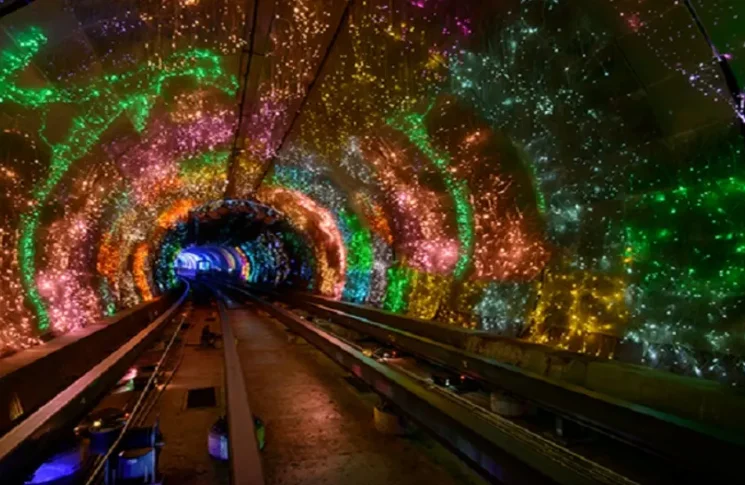
No. At ¥55, it's an overpriced underground tunnel with tacky colored lights—essentially a conveyor belt through LEDs. Take the ¥2 ferry instead: real river views, fresh air, and a fraction of the cost. The ferry runs 7:15 AM - 6:30 PM.
What should I photograph at the Bund?
Classic shots: Pudong skyline from Chen Yi Square, Waibaidu Bridge framing old and new Shanghai, night lights reflected on the river. Don't miss: architectural details on building facades (look UP), the Customs House clock tower, and the Peace Hotel's green pyramid roof. Bring a tripod for night shots.
Is the Bund safe at night?
Yes, very safe. There's heavy security presence, good lighting, and crowds of tourists and locals. Pickpockets do operate in crowded areas—keep valuables in front pockets, especially during peak hours (19:00-21:00) and on summer weekends.
Where can I eat near the Bund?
The Bund is high-end territory: Yu Bao Xuan (Michelin 2-star Cantonese), Hakkasan, Peace Hotel restaurants. Rooftop bars (Vue, Flair, Bar Rouge) offer drinks with views. For budget options, walk 10 minutes to Nanjing Road food courts or Yunnan South Road.
What's nearby the Bund?
Within walking distance: Nanjing Road (10 min west), Yu Garden/Old Town (20 min south). Short ferry ride: Lujiazui and Pudong towers. Worth a half-day extension: French Concession (20 min metro), North Bund and 1933 Old Millfun.
What if it rains?
The Bund promenade is exposed—bring an umbrella. If it's pouring, explore the covered areas: Peace Hotel lobby, IFC Mall (across from Pudong ferry terminal), or the Bund History Museum. Rainy nights actually create beautiful reflections on the wet pavement.
Should I visit the Bund or Pudong side?
Both! The Bund gives you the classic view of Pudong's futuristic skyline; Pudong gives you the reverse view of colonial architecture. Take the ¥2 ferry between them for a scenic crossing. Together they tell the complete Shanghai story.
What's the difference between the Bund and North Bund?
The main Bund runs from Waibaidu Bridge south to Yan'an Road—this is where the famous colonial buildings are. North Bund (北外滩) is a newer development north of Suzhou Creek with modern buildings, the Sinar Mas observation deck, and significantly fewer tourists.
Is the Bund worth visiting?
Absolutely yes—it's Shanghai's single most iconic experience and essential for understanding the city. The combination of preserved colonial architecture, futuristic skyline, free access, and spectacular evening atmosphere makes it a must-visit. Even if you only have one evening in Shanghai, spend it here.
Planning Your China Trip
- How much does it cost? — Complete breakdown of daily budgets, attraction fees, and transport costs across China
- Best time to visit — Month-by-month guide to weather, crowds, and holiday periods
- Essential tips for first-timers — Apps to download, payment setup, cultural etiquette, and common mistakes
About the Author
Chen Jing (陈静) is a Shanghai-based architecture historian specializing in Bund heritage buildings and colonial-era Shanghai. With 15+ years of experience leading architectural tours and contributing to preservation projects, she brings firsthand expertise to this guide.
Chen holds a master's degree in architectural history from Tongji University and has consulted on restoration projects for several Bund buildings. She lives in the French Concession and walks the Bund at least twice a month—"because the light is always different."
Editorial Standards
This guide is based on extensive field research by the GoPagoda Travel editorial team, including multiple site visits in 2025-2026. All prices, opening hours, and practical information were verified in January 2026.
Our commitment:
- Information verified through direct experience, not copied from other guides
- Prices and hours confirmed with official sources or personal verification
- Honest recommendations—we note when something isn't worth the money
- Regular updates as conditions change
Sources include:
- Shanghai Municipal Archives historical records
- Shanghai Urban Planning Bureau protection guidelines
- Field verification by GoPagoda Travel research team (October 2025 - January 2026)
- Official WeChat accounts of venues and attractions
Last updated: January 2026